
Raisedays
SaaS fintech platform for nonprofit fundraising
RaiseDays is a SaaS fintech platform designed to help nonprofits, charities, and community organizations raise funds through digital campaigns.
Role & Context
- Role: Lead Frontend Developer · UX/UI Designer · Project Lead
- Platform type: SaaS · Fintech · Fundraising
- Technologies: Angular 7 · Angular Material · REST APIs
- Industry: Nonprofit · Fundraising · Financial technology
- Market: North America
- Year: 2018–2021
Project Overview
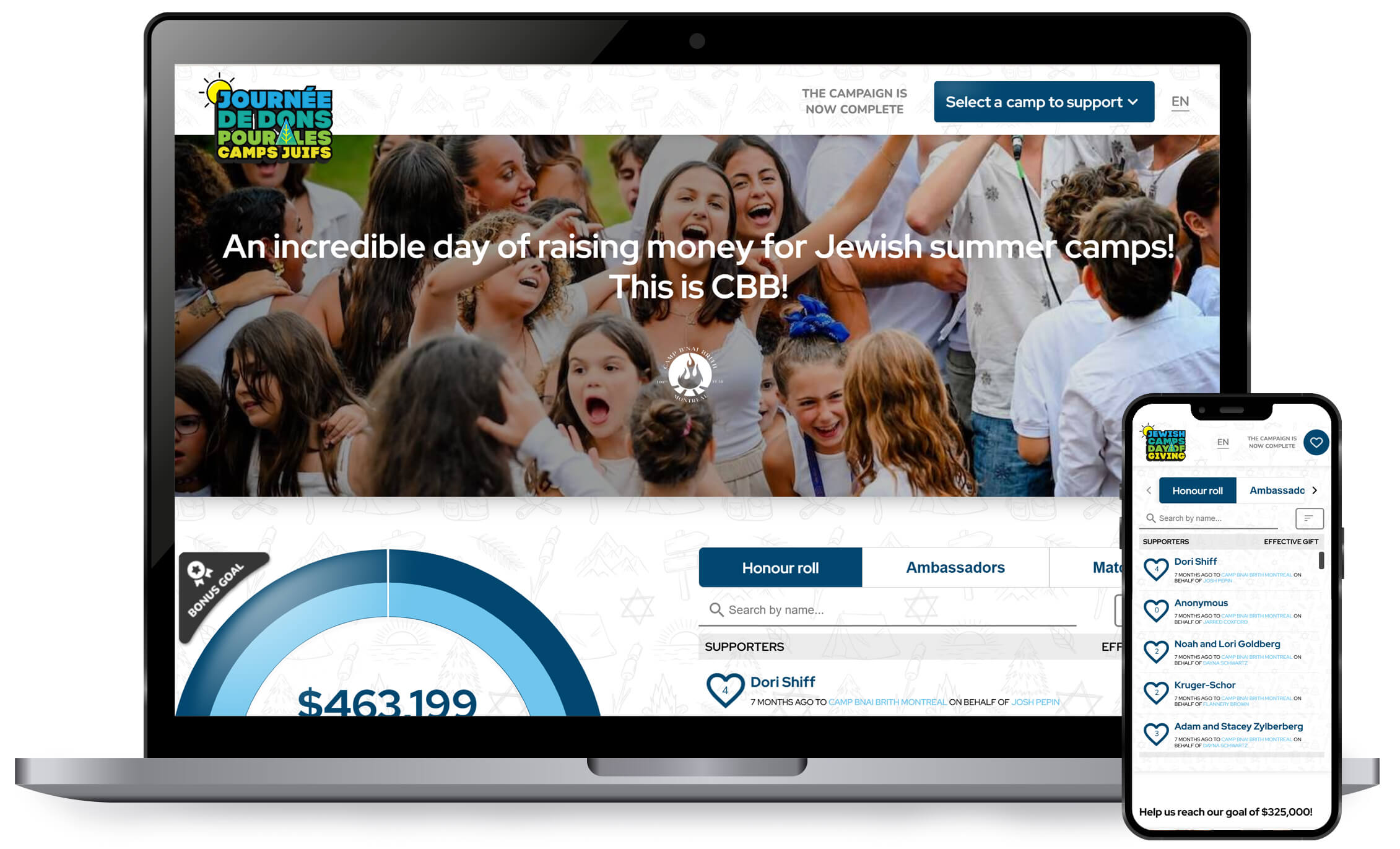
The project involved building the RaiseDays platform from the ground up, including both the public-facing fundraising campaigns and a backend administrative system for organizations to manage campaigns, data, and operations.
The platform was designed to support secure fundraising, clear user journeys, and scalable campaign management, while remaining accessible to non-technical nonprofit teams.
I led a cross-functional team of four developers, covering frontend, backend, and database development.
Her work on the Raise Days platform demonstrated her ability to think outside of the box, introducing new approaches to UI, UX, data management, security implications, and feature sets.
My Role
I led the project from its early stages through multiple iterations, taking responsibility for both technical execution and product direction.
My responsibilities included:
- Frontend architecture and development (Angular)
- UX/UI design for campaign and admin interfaces
- Translating business requirements into usable flows
- Coordinating frontend, backend, and database work
- Feature planning and milestone delivery
- QA, testing, debugging, and responsive behavior
In addition to development, I played a key role in product thinking, contributing ideas around UX, data management, security implications, and feature design.
The Challenge
Building RaiseDays involved more than designing interfaces — it required aligning fundraising goals, technical constraints, security considerations, and multiple user types within a single scalable platform.
Business Challenges
- Supporting nonprofits with limited technical knowledge
- Creating a platform flexible enough to serve multiple organizations and campaigns
- Balancing ease of use with the operational complexity of fundraising
- Building trust for both organizations and donors
- Delivering features incrementally while the platform was actively evolving
UX Challenges
- Designing for multiple user roles with very different needs:
- Donors
- Nonprofit administrators
- Platform administrators
- Creating a donation flow that felt:
- Simple
- Transparent
- Secure
- Reducing friction in high-stakes moments (donations)
- Ensuring the admin interface was usable by non-technical users
- Maintaining clarity across data-heavy interfaces
Technical & Product Challenges
- Building a scalable frontend architecture using Angular 7
- Designing reusable UI components that could evolve with new features
- Managing data integrity, permissions, and role-based access
- Considering security implications within a fintech context
- Maintaining performance and responsiveness across devices
Team & Delivery Challenges
- Leading and coordinating a distributed team of four developers
- Working across multiple countries and time zones
- Managing asynchronous communication and handoffs
- Coordinating frontend, backend, and database development
- Managing milestones, testing, QA, and debugging
- Delivering features under real-world pressure and timelines
- Ensuring consistent UX quality across the platform
Key Decisions & Trade-offs
Building RaiseDays required making deliberate decisions and trade-offs across UX, technology, and team coordination.
Balancing simplicity vs. flexibility
- Decision: Keep the donation and campaign creation flows simple, even if it meant limiting advanced configuration options in early versions.
- Trade-off: Reduced feature complexity in favor of usability for non-technical nonprofit teams.
Progressive feature delivery
- Decision: Deliver the platform incrementally while it was actively being used and tested.
- Trade-off: Required continuous iteration, QA, and refinement instead of a single “final” release.
Reusable architecture vs. speed
- Decision: Invest time upfront in reusable frontend components using Angular and Angular Material.
- Trade-off: Slower initial development in exchange for long-term scalability and maintainability.
Security awareness without friction
- Decision: Design donation and admin flows that felt transparent and trustworthy without exposing unnecessary complexity.
- Trade-off: Some advanced data visibility was intentionally restricted to protect users and maintain platform integrity.
Asynchronous collaboration
- Decision: Adopt async-first communication to coordinate a distributed team across multiple countries and time zones.
- Trade-off: Required strong documentation, clear handoffs, and disciplined milestone planning to avoid blockers.
Strategy & Approach
Designing for multiple users
The platform needed to support:
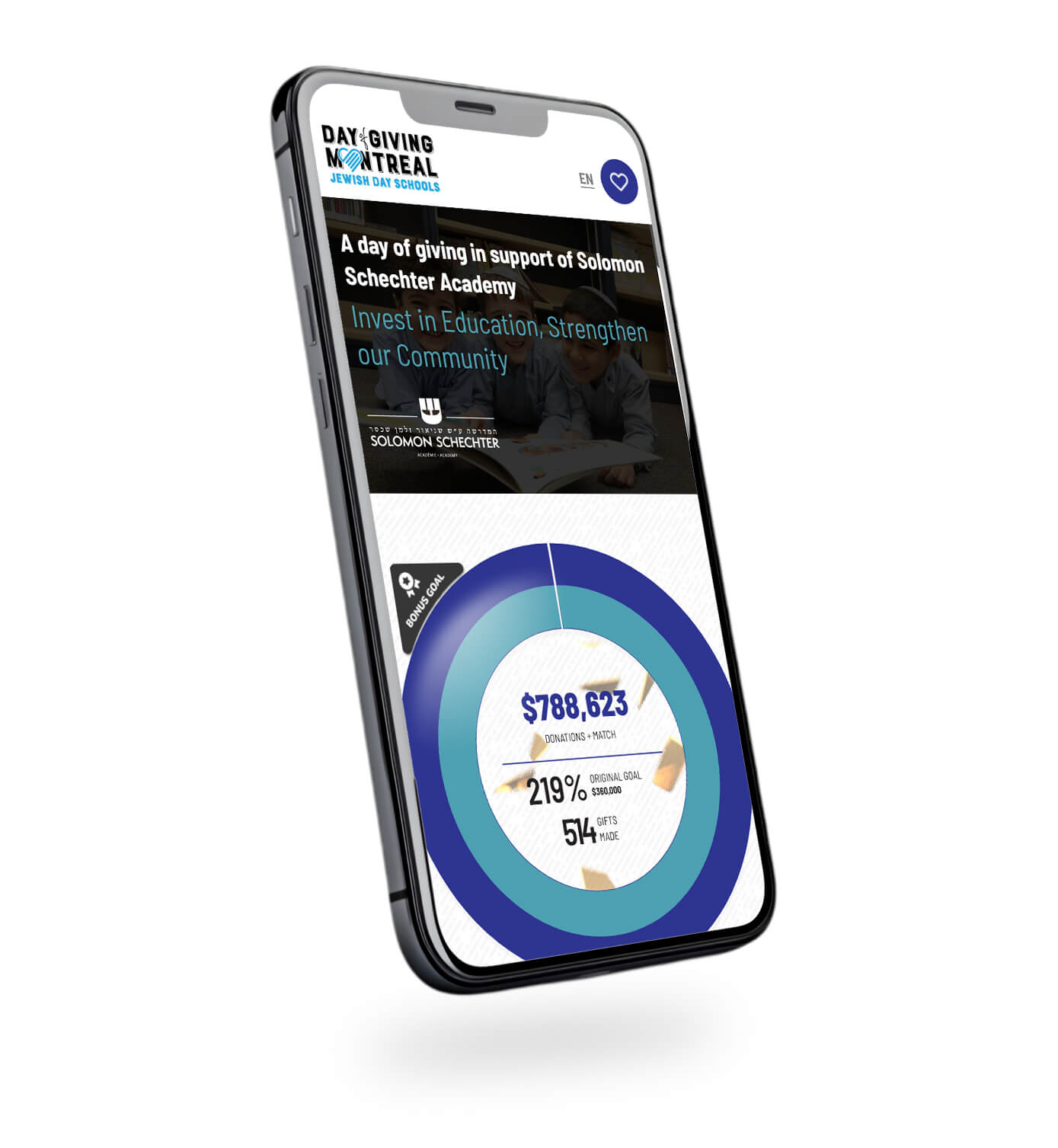
- Donors (simple, trustworthy, frictionless experience)
- Nonprofit organizations (control, visibility, and ease of use)
- Administrators (data, campaigns, and operations)
Each interface was designed with distinct user goals and constraints in mind.
UX for trust and security
As a fintech platform, trust was critical.
- Clear donation flows
- Transparent campaign information
- UI decisions aligned with security best practices
- Avoidance of unnecessary complexity

Scalable frontend architecture
Using Angular and Angular Material allowed for:
- Reusable UI components
- Consistent design patterns
- Scalable feature expansion
- Maintainable frontend architecture
Design & Development Decisions
- Angular-based component architecture
- Role-based admin interfaces
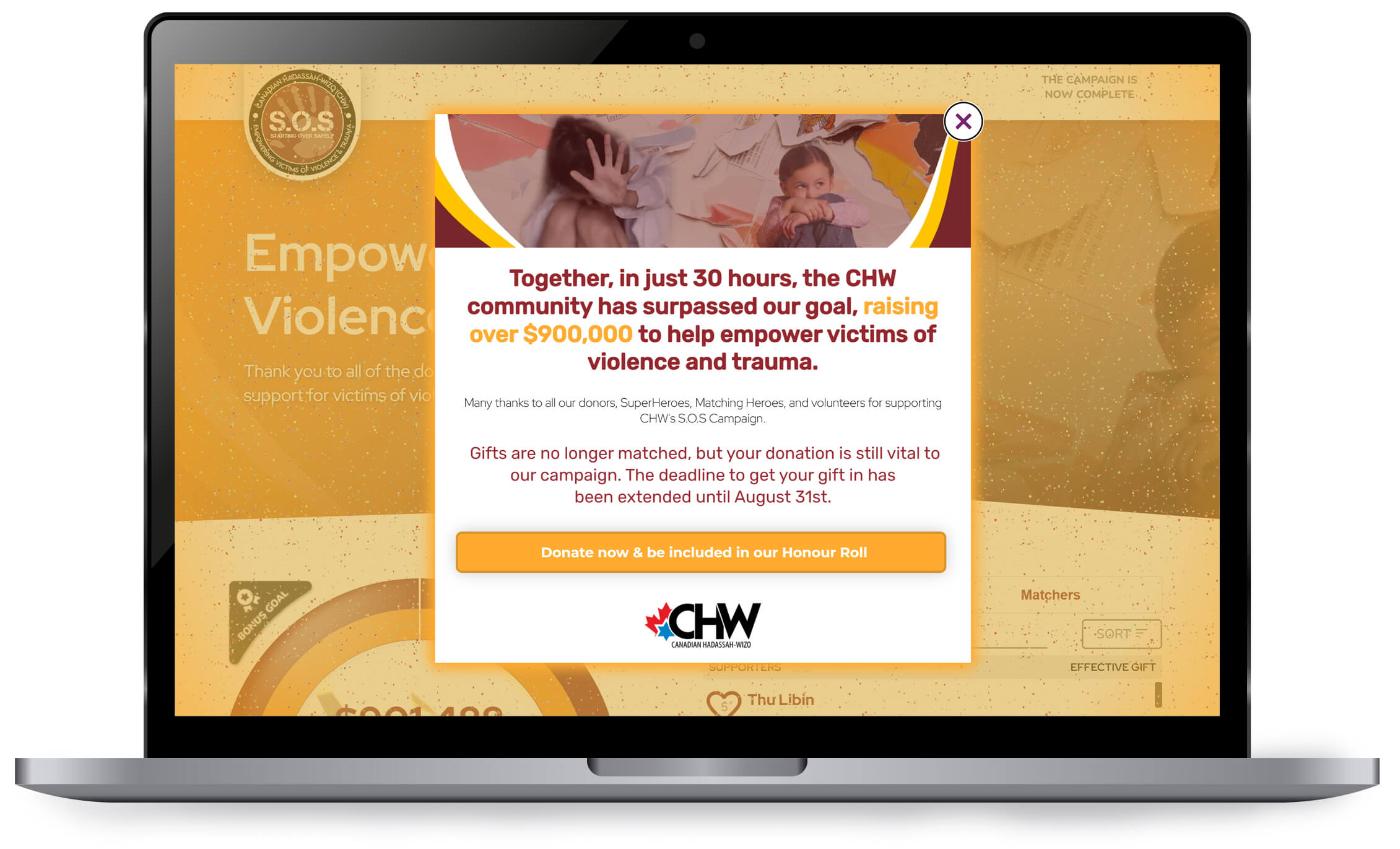
- Clear separation between public campaigns and admin tools
- Responsive design across devices
- UI patterns adapted for non-technical users

Results & Impact
The RaiseDays platform enabled:
- A fully functional fundraising SaaS product
- Improved donor experience and clarity
- Simplified campaign management for nonprofits
- Scalable architecture supporting multiple organizations
- A foundation for continued product evolution
The project continued until 2021, when development was transitioned to another company due to immigration-related changes.
Reflection
This project reinforced the importance of:
- Strong frontend architecture in SaaS products
- UX as a bridge between technical complexity and human needs
- Clear communication across cross-functional teams
- Thinking beyond execution and into product strategy